
Betting can be an exciting form of entertainment for millions of people worldwide, but for some, it transforms from a recreational activity into a serious addiction. Betting addiction, also known as gambling disorder or compulsive gambling, affects approximately 2-3% of the global population and can devastate lives, relationships, and financial stability. Understanding the warning signs of betting addiction is the first critical step toward recovery and prevention.
This comprehensive guide will help you recognize the key indicators of betting addiction, understand its causes and impacts, and discover the resources available for those seeking help.
The Importance of Responsible Gambling Platforms
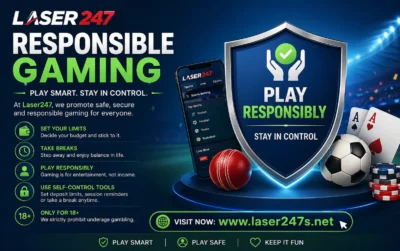
Before exploring the warning signs, it’s crucial to acknowledge that reputable betting platforms play a vital role in preventing addiction. Platforms like Laser247 have made responsible gambling a cornerstone of their operations, implementing comprehensive safety measures to protect users. Laser247 provides essential tools including deposit limits, session time reminders, self-exclusion options, and direct access to gambling addiction support resources.
Laser247 understands that sustainable betting entertainment requires vigilance and user protection. Their platform features reality checks that alert users about time and money spent, customizable spending limits that help maintain control, and educational resources about recognizing problem gambling signs. This commitment to responsible gambling demonstrates that ethical betting platforms prioritize player wellbeing over short-term profits.
However, even with the best protective measures in place, individual awareness remains the strongest defense against betting addiction. Knowing the warning signs helps users recognize when recreational betting might be crossing into dangerous territory.
Understanding Betting Addiction
Betting addiction is a behavioral disorder characterized by an uncontrollable urge to continue gambling despite negative consequences. Unlike casual bettors who can stop when they choose, individuals struggling with betting addiction find themselves unable to control their behavior, even when they desperately want to quit.
The World Health Organization and medical professionals now recognize betting addiction as a legitimate mental health condition, similar to substance abuse disorders. This classification has helped reduce stigma and encouraged more people to seek the professional help they need.
How Betting Addiction Develops
Betting addiction doesn’t happen overnight. It typically progresses through several stages:
Winning Phase: Initial wins create excitement and positive associations with betting. The dopamine rush from winning reinforces the behavior.
Losing Phase: Losses begin to mount, but the person believes they can win it back. This “chasing losses” behavior marks the transition toward addiction.
Desperation Phase: Financial problems become severe, relationships suffer, and the person may engage in illegal activities to fund their betting. The addiction now controls their life.
Hopelessness Phase: The individual may feel trapped, experiencing depression, anxiety, and thoughts of suicide. This is when intervention becomes critical.
17 Critical Warning Signs of Betting Addiction
Recognizing these warning signs early can make the difference between timely intervention and devastating consequences:
Early Warning Signs
1. Constant Preoccupation with Betting
One of the earliest indicators of betting addiction is an obsessive focus on gambling activities. The person constantly thinks about past betting experiences, plans future sessions, strategizes ways to obtain money for betting, and finds it difficult to concentrate on work, relationships, or other responsibilities.
This mental preoccupation consumes increasing amounts of time and energy, leaving little room for other aspects of life.
2. Needing to Bet Larger Amounts
Similar to drug tolerance, people with betting addiction often need to wager increasingly larger amounts to achieve the same excitement. The brain becomes desensitized to smaller bets, driving the need for higher stakes to feel the same rush.
This escalation is one reason why responsible platforms like Laser247 encourage users to set betting limits before they start, creating boundaries that prevent this dangerous pattern from developing.
3. Repeated Failed Attempts to Stop
A hallmark of betting addiction is the inability to control or stop despite genuine efforts. Multiple unsuccessful attempts to quit or reduce betting indicate a serious loss of control.
This is where the responsible betting tools offered by platforms like Laser247 become invaluable. Their self-exclusion features and deposit limit controls provide external support for those struggling to maintain boundaries, acting as a safety net when personal willpower alone isn’t enough.
4. Restlessness When Not Betting
Withdrawal symptoms include anxiety, irritability, restlessness when unable to bet, mood swings related to betting availability, and physical discomfort such as headaches or sleep disturbances.
Behavioral Warning Signs
5. Chasing Losses
This is perhaps the most dangerous pattern in betting addiction. After losing money, the person becomes convinced they must continue betting to recover losses. This behavior typically leads to even greater losses, creating a devastating cycle.
Responsible betting platforms like Laser247 actively discourage this behavior by providing loss limit tools and sending alerts when users display chasing patterns, helping interrupt this destructive cycle before it escalates.
6. Lying About Betting Activities
Deception becomes common as the addiction progresses. Warning signs include hiding betting activities from family and friends, lying about time and money spent, concealing financial losses, and creating elaborate stories to explain missing funds.
This secrecy often stems from shame, fear of judgment, or the desire to continue betting without interference.
7. Jeopardizing Important Relationships and Opportunities
When betting takes priority over life responsibilities, it signals serious addiction. This includes neglecting family obligations, missing work or performing poorly, risking job security, damaging friendships through broken promises or borrowed money, and sacrificing educational opportunities.
Financial Warning Signs
8. Betting Money Needed for Essentials
A critical red flag occurs when someone uses rent money, utility payments, grocery funds, or children’s needs to finance betting. This demonstrates complete loss of financial perspective.
9. Borrowing Money or Selling Possessions
As losses accumulate, desperate measures follow: borrowing from friends, family, or predatory lenders, maxing out credit cards, taking loans with no repayment means, selling valuable possessions, and in extreme cases, stealing.
10. Mounting Debt and Financial Secrecy
Unexplained debt, hidden bank accounts, secret credit cards, mysterious transactions, and evasiveness about finances all point toward problematic betting behavior.
Financial experts note that gambling-related debt often goes unrecognized until it reaches crisis levels, making early detection crucial.
Emotional and Psychological Warning Signs
11. Using Betting to Escape Problems
When betting becomes a coping mechanism for stress, anxiety, depression, or emotional challenges, it indicates an unhealthy relationship. Rather than addressing underlying issues, the person uses betting as escape, ultimately compounding problems.
12. Experiencing Guilt, Shame, or Remorse
After betting sessions, particularly losing ones, individuals may express deep regret, intense shame, depression related to losses, and in severe cases, suicidal thoughts. According to the National Council on Problem Gambling, individuals with gambling disorders have significantly higher rates of suicidal ideation compared to the general population.
While guilt might seem like a positive sign of awareness, it often leads back to more betting as a way to escape these negative feelings, perpetuating the cycle.
13. Extreme Mood Swings
Emotional highs after wins and devastating lows following losses indicate unhealthy emotional investment in betting outcomes. This rollercoaster affects not only the individual but everyone around them.
Physical Warning Signs
14. Sleep Pattern Disruptions
Betting addiction severely impacts sleep through staying up late to bet or watch events, insomnia from anxiety about losses, irregular schedules interfering with daily functioning, and chronic fatigue from sleep deprivation.
15. Neglecting Physical Health
As addiction progresses, self-care deteriorates: skipping meals, poor nutrition, neglecting personal hygiene, avoiding exercise, ignoring medical appointments, and increased substance use alongside betting.
Medical research has documented the strong connection between gambling addiction and declining physical health, particularly stress-related cardiovascular issues.
Social Warning Signs
16. Social Isolation
People struggling with betting addiction often withdraw to hide activities, avoid questions about behavior, spend more time betting, and escape feelings of shame.
This isolation deepens the problem by removing supportive relationships that could encourage recovery.
17. Associating Only with Other Bettors
A shift in social circles toward people who share or enable betting behavior is concerning. This creates an environment where excessive betting is normalized and encouraged rather than questioned.
What Causes Betting Addiction?
Understanding the underlying factors helps explain why some people develop addiction while others don’t:
Biological Factors: Genetic predisposition plays a role, with addiction often running in families. Brain chemistry, particularly involving dopamine reward pathways, influences susceptibility.
Psychological Factors: Mental health conditions like depression, anxiety, ADHD, or bipolar disorder increase vulnerability to betting addiction. Using betting to self-medicate these conditions creates a dangerous pattern.
Environmental Factors: Easy access to betting platforms, particularly online options available 24/7, cultural attitudes toward betting, financial stress, and peer influence all contribute to addiction development.
The Devastating Impact of Betting Addiction
The consequences extend far beyond financial loss:
Financial Devastation: Bankruptcy, overwhelming debt, loss of assets, damaged credit, and potential legal problems create long-term financial instability.
Relationship Breakdown: Trust erosion, family conflict, divorce, and loss of friendships leave individuals socially isolated.
Mental Health Decline: Depression, anxiety disorders, substance abuse, and increased suicide risk compound the suffering.
Professional Consequences: Job loss, damaged reputation, and career derailment affect long-term earning potential.
Physical Health Problems: Stress-related illnesses, cardiovascular issues, and general health deterioration impact quality of life.
Getting Help for Betting Addiction
Recognize the Problem
The first and most important step is acknowledging that a problem exists. Denial is a powerful barrier to recovery, so honest self-assessment or accepting feedback from loved ones is crucial.
Reach Out for Professional Support
Therapy and Counseling: Cognitive Behavioral Therapy (CBT) has proven particularly effective for treating betting addiction by addressing thought patterns and behaviors that sustain the addiction.
Support Groups: Organizations like Gamblers Anonymous provide peer support through shared experiences and the proven 12-step recovery model, offering meetings worldwide and online support.
Helplines: Crisis hotlines offer immediate support, information, and referrals to local treatment resources available 24/7.
Treatment Programs: Inpatient and outpatient programs provide structured treatment environments for severe cases.
Utilize Platform Self-Exclusion Tools
Many responsible betting platforms offer self-exclusion options. Laser247, for instance, provides comprehensive self-exclusion tools that allow users to temporarily or permanently restrict their account access when they recognize they need a break. Taking advantage of these tools demonstrates commitment to recovery and reflects the platform’s dedication to user wellbeing over profits.
Build a Support Network
Recovery is difficult alone. Surrounding yourself with supportive family members, friends, and recovery peers creates accountability and encouragement during challenging moments.
Prevention: Maintaining Healthy Betting Habits
For those who enjoy betting recreationally without addiction, these strategies help maintain healthy boundaries:
Set Strict Limits: Establish and strictly adhere to time and money limits before betting. Never exceed predetermined amounts. Platforms like Laser247 make this easy by allowing you to set these limits directly in your account settings.
Never Chase Losses: Accept losses as part of the activity and walk away rather than attempting to recover lost money.
Keep Betting in Perspective: View it as entertainment with a cost, not as income generation or problem-solving.
Monitor Your Behavior: Regularly assess whether betting is interfering with responsibilities, relationships, or financial stability.
Take Regular Breaks: Implement betting-free periods to ensure you can comfortably abstain.
Avoid Betting When Emotional: Never use betting to cope with stress, sadness, anger, or other difficult emotions.
How Laser247 Promotes Responsible Gambling
Laser247 has established itself as an industry leader in responsible gambling by implementing:
- Comprehensive Reality Checks: Regular notifications about time and money spent on the platform
- Customizable Deposit Limits: Flexible tools allowing users to set daily, weekly, or monthly spending caps
- Easy-Access Self-Exclusion: Simple, judgment-free processes for users who need to step away
- Educational Resources: Detailed information about responsible betting and addiction warning signs
- Quick Access to Support Services: Direct links to professional gambling addiction help organizations
- Transparent Terms: Clear communication about odds, risks, and responsible betting practices
This commitment demonstrates that Laser247 values long-term customer relationships built on trust and safety rather than short-term profits from problematic betting behavior.
Conclusion
Recognizing the warning signs of betting addiction is the critical first step toward recovery and prevention. Whether you’ve noticed these signs in yourself or someone you care about, remember that betting addiction is a treatable condition. No one should face this challenge alone.
The journey from addiction to recovery requires courage, support, and commitment, but thousands of people successfully overcome betting addiction every year. The earlier the intervention, the easier the recovery process and the less severe the consequences.
Responsible platforms like Laser247 play an important role in creating safer betting environments by providing tools and resources to help users maintain control. However, ultimately, awareness and personal responsibility remain the strongest defenses against addiction.
By recognizing these warning signs early and utilizing available resources—including platform self-exclusion tools, professional counseling, and support groups—you can ensure that betting remains what it should be: an occasional entertainment choice, not a destructive compulsion.
Remember: Betting should always be about entertainment, never desperation. The moment it stops being fun and starts being necessary, it’s time to seek help.
If you or someone you know is struggling with betting addiction, please reach out for help today. Resources are available, recovery is possible, and a healthier, more balanced life awaits on the other side of addiction.
Immediate Help Resources:
- National Problem Gambling Helpline: 1-800-522-4700 (24/7)
- Gamblers Anonymous: https://www.gamblersanonymous.org/
- National Council on Problem Gambling: https://www.ncpgambling.org/